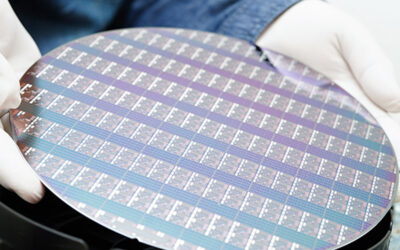
Safety and cleanliness are inextricably linked in semiconductor manufacturing. Every process inside a cleanroom must protect not only the people operating the equipment, but also the tools themselves and the high-value wafers moving through production. A single oversight—inadequate exhaust, improper drain design, insufficient equipment clearance—can create risks that affect operator safety, process reliability and product yield.
While cleanrooms are designed to tightly control contamination, maintaining a safe environment requires much more than specialized air filtration and personal protective equipment (PPE). It starts long before equipment is installed and continues through daily operation, maintenance and emergency preparedness.
Here are some of the key considerations manufacturers should keep in mind when designing and operating a safe semiconductor cleanroom.
Start with Smart Planning
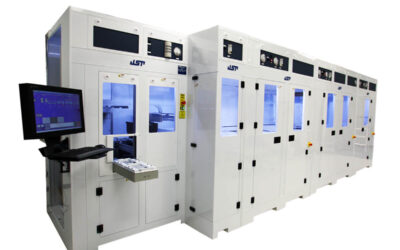
The safest cleanrooms are designed with safety in mind from the very beginning. Equipment placement isn’t simply about maximizing floor space—it must allow technicians to safely operate, maintain and repair every tool throughout its lifetime.
Adequate clearance around and above equipment is essential. Maintenance personnel need room to access service panels, while facilities engineers must account for overhead ductwork, utilities and structural supports. In older fabs, equipment layouts often evolve as new tools are added, making periodic reconfiguration necessary. Newer facilities typically incorporate future expansion into their original designs, reducing many of these challenges.
Successful cleanroom planning must balance three equally important objectives, as these priorities influence virtually every installation decision:
- Personnel safety
- Equipment safety
- Product safety
Infrastructure planning is equally critical. Before a tool is ever delivered, facilities must verify that they can support its electrical requirements, water supply, drain capacity, exhaust systems and chemical handling needs. Exhaust systems, in particular, aren’t optional—they’re governed by industry standards and regulatory requirements and are fundamental to safely removing chemical fumes from process equipment.
Material compatibility also deserves careful consideration. Process tanks must be constructed from materials that can safely withstand the chemicals and temperatures they’ll encounter. While higher-performance plastics or quartz components may increase upfront costs, selecting the proper materials helps ensure long-term reliability and safe operation. Other built-in protections—including emergency-off (EMO) buttons, exhaust monitoring and nitrogen purge systems where required—provide additional safeguards during normal operation and unexpected events.
One area that often receives less attention than it deserves is facility logistics. Equipment must not only fit in its final location—it must also be able to get there. Move-in paths, door clearances and assembly space should all be verified before installation begins to avoid costly surprises.
Avoid Common Pitfalls
Many cleanroom safety issues don’t stem from the equipment itself, but from inadequate facility planning. One of the most common mistakes is underestimating space requirements. Crowded installations can make routine maintenance more difficult, limit safe operator access and complicate future equipment upgrades. Connectivity issues—including utilities and facility infrastructure—can create similar challenges if not identified early.
Drain plumbing represents another frequently overlooked concern, particularly in older fabs. Improperly connected drains can allow incompatible chemicals to enter shared waste systems, creating both safety and environmental risks. Certain chemistries, such as hydrofluoric acid (HF), require dedicated handling systems and cannot simply be routed into common facility drains. For example, we worked with a customer to rectify modifications made to their drain plumbing that had led to ammonium hydroxide leaking into a main drain because appropriate safeguards were not in place. Not a difficult fix, but certainly an important one!
That’s why equipment installation should never end when the tool arrives on the fab floor. Experienced field service engineers play a key role in verifying facility readiness, inspecting plumbing and confirming that utilities have been installed correctly before startup. These inspections help identify potential issues before they become safety hazards or impact production.
Although today’s AI-driven semiconductor demand is fueling rapid investment in new fabs and advanced manufacturing equipment, the fundamental safety principles remain largely unchanged. Whether manufacturing conventional semiconductor devices or emerging technologies such as quantum computing chips, proper planning, facility infrastructure and operator protection continue to form the foundation of safe cleanroom operation.
Build Safety into Everyday Operation
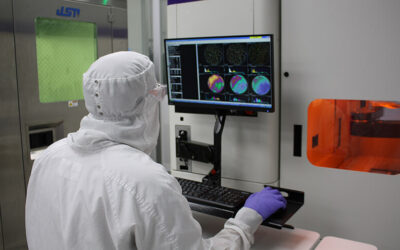
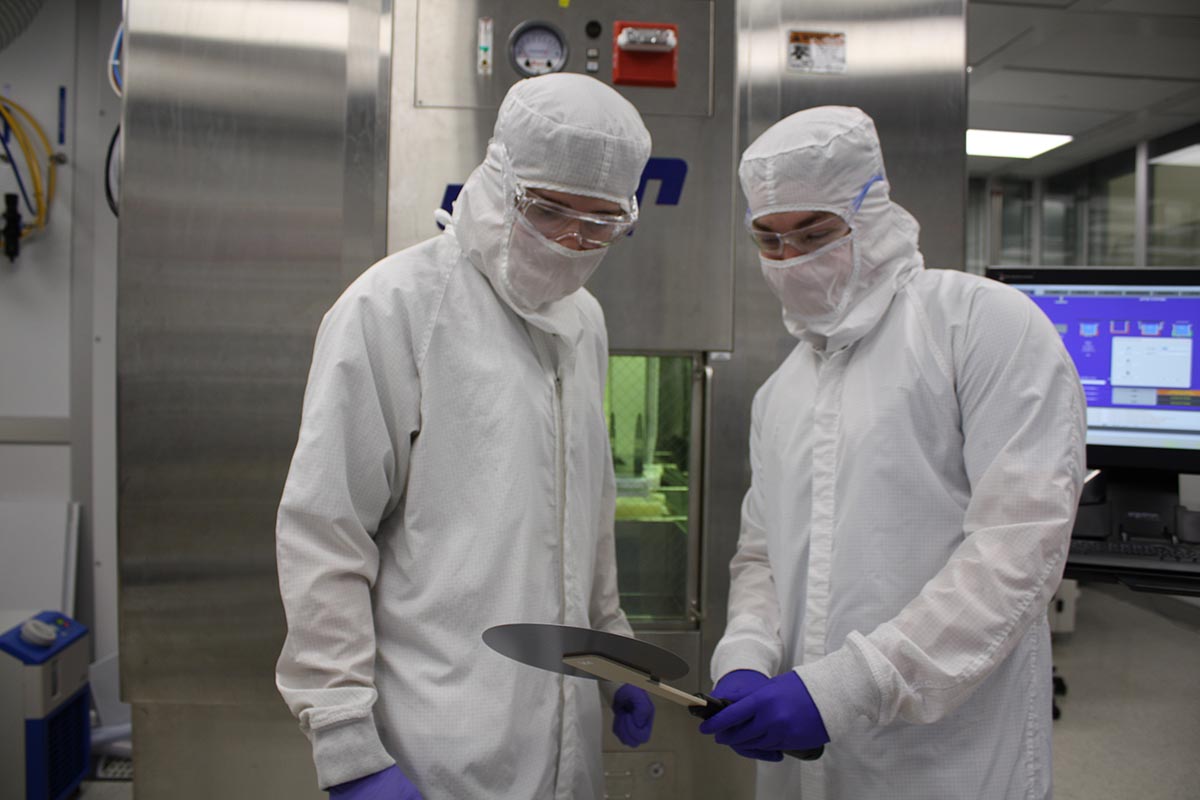
Even the best-designed cleanroom depends on well-trained operators and thoughtfully engineered equipment. Every operator should understand standard operating procedures before working with semiconductor process equipment. Training should extend beyond normal operation to include maintenance procedures, where many of the greatest safety risks can occur. Maintenance personnel often work around robots, pumps, heaters and chemical delivery systems that require specialized knowledge and careful adherence to safety procedures.
Modern semiconductor equipment incorporates multiple layers of engineered safety features designed to reduce operator risk without sacrificing productivity. For chemical processes, properly designed exhaust systems are especially important. Process tanks are often positioned below the equipment deck so fumes can be drawn downward and safely removed before they reach operators. Since chemical vapors remain one of the primary hazards in wet processing environments, careful exhaust design plays a significant role in maintaining a safe workplace.
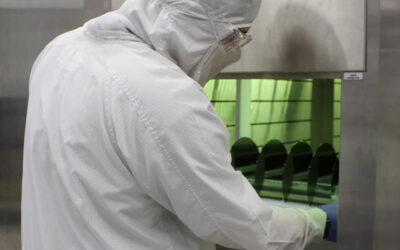
Chemical fume hoods can also be incorporated into wet processing equipment to provide operators with maximum control and safety when working with volatile chemistries. While the fume hood encloses the entire work area, a counterbalanced clear lifting shield acts as a barrier between the technician and the hazardous material, protecting lab technicians from harmful vapors, dust, gasses, and fumes that form within the hood.
Electrical safety is addressed through multiple protective measures as well. Nitrogen purging helps reduce ignition risks in solvent areas, while flow switches monitor critical operating conditions. Intrinsically safe electrical components further reduce hazards where flammable chemistries may be present.
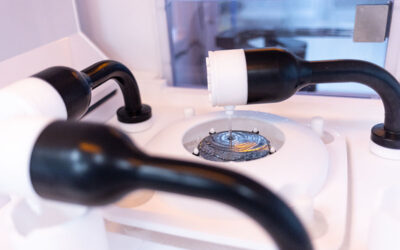
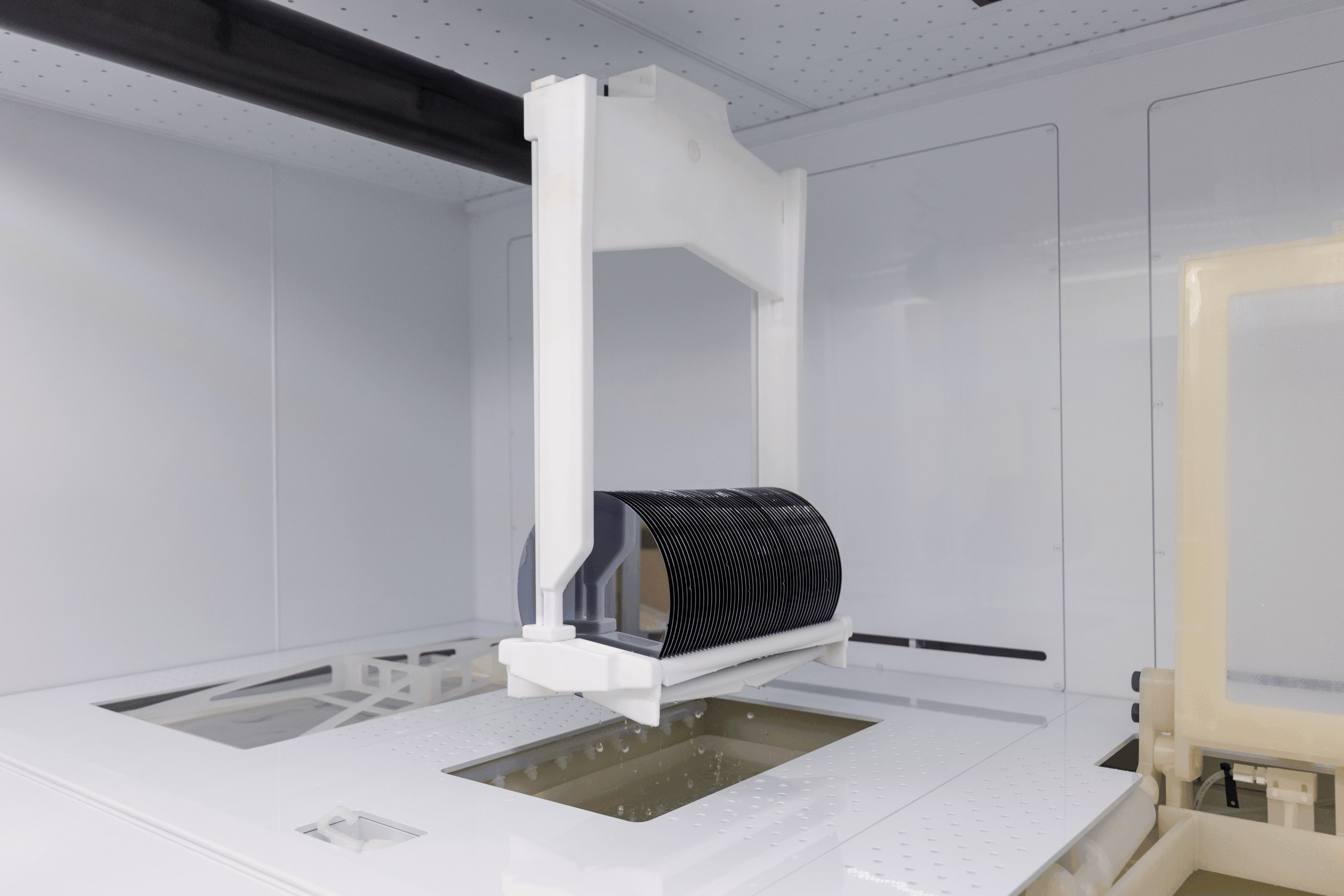
Mechanical safety features provide another important layer of protection. Door interlocks, light curtains and door sensors help prevent accidental access to moving components during automated operation. Robotic wafer handling systems are also designed with both safety and contamination control in mind. In batch wet processing applications robotic end effectors may automatically rinse and dry after transferring wafers between chemical tanks. This helps protect equipment from chemical buildup while reducing the possibility of transferring residual chemistry to operators or subsequent process steps.
Prepare for Emergencies
Emergency preparedness remains equally important. Operators should always know the locations of emergency showers and eyewash stations, and facilities should regularly reinforce emergency response procedures through annual safety training. Many systems also incorporate automatic shutdown capabilities to quickly place equipment in a safe state if abnormal conditions are detected.
Some advanced wet processing systems even include features designed to protect valuable product during unexpected process conditions. For instance, if wafers risk becoming overprocessed in a chemical tank, certain systems can rapidly flood the chamber with water to minimize wafer damage and improve recovery potential.
Ultimately, maintaining cleanroom safety requires more than compliance with regulations. It depends on thoughtful facility design, robust equipment engineering, ongoing operator training and a commitment to continuously identifying and reducing risk. When these elements work together, manufacturers create cleanrooms that not only protect employees, but also maximize equipment uptime, preserve product quality and support long-term manufacturing success. As semiconductor manufacturing continues to evolve, the most effective safety strategies will continue to be those that go beyond minimum requirements, building multiple layers of protection into every stage of cleanroom operation.